
Most organizations view archiving as a routine task for IT to reduce costs and meet regulatory retention requirements. But with the way data is being used today, that mindset is limiting. The volume of information produced by knowledge workers is surging, fueling an accelerated demand for data storage.
The global data storage market is projected to grow from $255 billion this year to $774 billion by 2032, reflecting rising investments to keep pace with expanding data volumes. And as storage expands, so does the volume of stale data. Although a large portion of this data soon goes dormant, it often contains valuable context and insights that can inform stronger decisions and results.
Conventional archiving practices frequently bury critical information, cutting it off from the people and technologies that could leverage it for smarter decisions and AI development. Since successful transformation depends on data that is relevant, structured, secure and readily available, treating archives as a final resting place is no longer sustainable.
It’s time to rethink archiving and adopt an intelligent approach that ensures data is not only stored efficiently but remains accessible, governed and ready for whatever the business needs next.
The Hidden Costs Of Traditional Archives
Focusing solely on the tactical objectives of traditional archival methods (storage cost reduction, data retention or compliance requirements) means that organizations can overlook some hidden risks that can undermine broader strategic initiatives.
When archived data becomes cut off from active repositories and business applications, it can create barriers to transformation. For example, AI projects and modernization initiatives often stall when they lack access to relevant information or are missing important context. Since data is being created, updated and abandoned so quickly, relevant, high-value documents could likely be swept up by age-based archiving policies.
There are also opportunity costs when employees spend time searching for archived files—delaying decisions, projects or customer responses—as well as the actual cost of file restoration.
And despite many archive strategies being grounded in data retention requirements, there are still compliance risks to be considered. Over-retention increases exposure in litigation and regulatory discovery, while under-retention creates defensibility gaps and potential noncompliance issues.
These risks grow as data volumes increase, and ignoring them can undermine the very efficiencies enterprises seek in their transformation projects.
Intelligent Archive: A Modern Approach
To turn archiving from a tactical task into a strategic enabler, organizations need a modern approach. Intelligent archiving is a blend of strategy, methodology and technology with advanced capabilities that drive measurable business value:
- Policy-Based Automation And Cost Optimization: Moving files based on access patterns, business value and risk (not just age) can reduce primary storage costs without deleting potentially valuable data.
- Rehydration-Ready Placeholders With Self-Service Access: Keeping archived files visible and retrievable by users without IT intervention or storage clutter empowers employees to restore access to what they need, when they need it, directly improving productivity and efficiency while maintaining governance.
- Defensible Deletion And Risk Reduction: Confidently removing data with no ongoing business, legal or regulatory value reduces compliance exposure, ensures auditability and strengthens defensibility.
- Centralized Oversight And Transformation Enablement: Unified visibility and governance across archives, active content repositories and business applications support content platform modernization, AI initiatives and other transformation efforts.
- Competitive Advantage: Organizations with efficient, accessible and well-governed archives can adapt faster, serve customers better and innovate with greater agility than those bogged down by inaccessible or uncontrolled data.
Clarity on what intelligent archiving can offer is essential, but delivering these outcomes requires an effective implementation across the organization.
Steps To Implement Intelligent Archiving
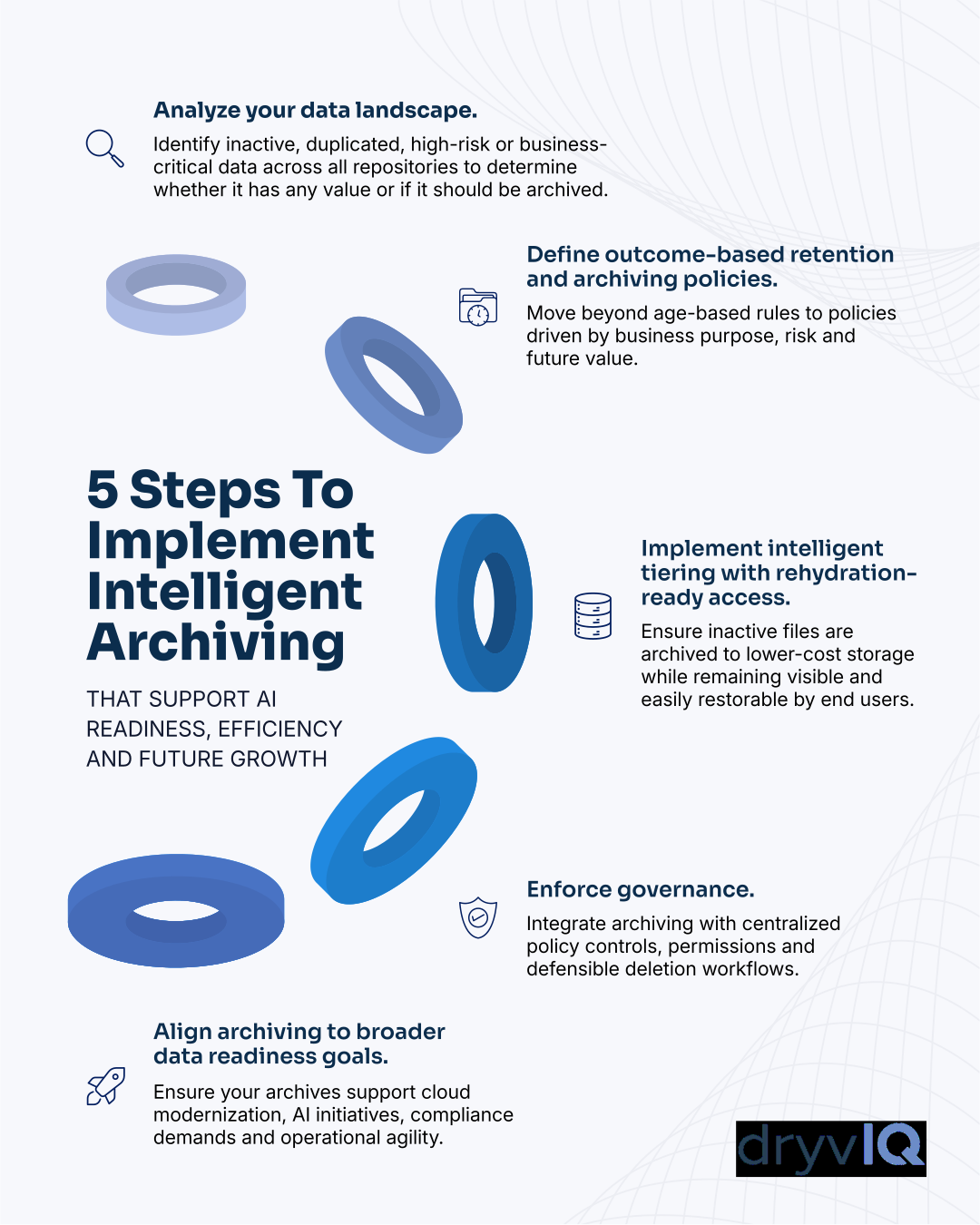
Here are five practical steps to evolve tactical archiving practices into an intelligent model that supports AI readiness, efficiency and future growth:
- Analyze your data landscape.
Identify inactive, duplicated, high-risk or business-critical data across all repositories to determine whether it has any value or if it should be archived. - Define outcome-based retention and archiving policies.
Move beyond age-based rules to policies driven by business purpose, risk and future value. - Implement intelligent tiering with rehydration-ready access.
Ensure inactive files are archived to lower-cost storage while remaining visible and easily restorable by end users. - Enforce governance.
Integrate archiving with centralized policy controls, permissions and defensible deletion workflows. - Align archiving to broader data readiness goals.
Ensure your archives support cloud modernization, AI initiatives, compliance demands and operational agility.
By following these steps, organizations can ensure that archiving achieves the traditional, tactical objectives while also supporting broader business goals.
Why Archiving Deserves Higher Priority In Your Transformation Strategy
Too often, data archiving is treated as a routine back-office task, separate from other strategic priorities. But done intelligently, archiving ensures that all data, whether active or dormant, remains accessible, governed and usable. For organizations that are serious about modernizing their platforms and adopting AI to drive efficiency and growth, intelligent archiving should be a core part of their digital transformation and data readiness strategies.
This article was originally published with Forbes Technology Council.